All that we are is the result of what we have thought: it is founded on our thoughts, it is made up of our thoughts. If a man speaks or acts with a pure thought, happiness follows him, like a shadow that never leaves him.
Dh1 verse 2. trans. F. Max Muller
Phenomena are preceded by the heart, ruled by the heart, made of the heart. If you speak or act with a calm, bright heart, then happiness follows you, like a shadow that never leaves.
Yamakavagga: Pairs” (Dhp I), trans. Thanissaro Bhikkhu. Access to Insight (BCBS Edition), 30 November 2013,
I love both these translations and the differences between them. Max Muller speaks of thought as do a lot of the translations whereas Thanissaro speaks of heart. The Dharma speaks of the heart and mind together. We often talk of citta which is translated as heart and mind as one. Our intellect, our emotions, our rationality and our heart’s response to the world are all captured in our heart/mind; in our citta.
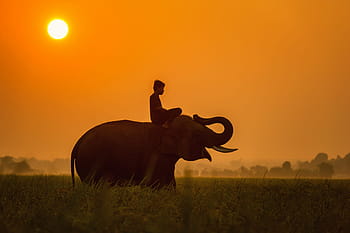
Often I feel that my mind is somehow separate from the rest of me and exists above the emotions, above the feelings, above the body and above the rest of the heaps that make me up. The mind is somehow in charge. It’s the boss. It’s the rider on the elephant, setting the destination, taking the decisions and making sure that we get to where we should be going. But the elephant of the emotions is a mighty beast and is not controlled that easily. It goes where it will, sometimes where the driver wants it to go and sometimes not. And perhaps the driver, the elephant and the ground it walks on all all one. All part of our heart/mind. All part of our citta. In better moments I can contact my heart and my mind and feel the togetherness of them.
As a side note the Pali in this verse is actually mano rather than citta. Mano has more of a sense of mental processes though the meaning is broader than what English speakers understand as mind. I’ve been told that Thanissaro is using a bit of poetic licence to make the translation heart rather than mind or thought. But I do like the translation and it’s just a really nice reminder of how mind and heart run together in the Dharma. And who doesn’t like a bit of poetry.